Breeze by Intelligence: Cooler Spaces with Less Power
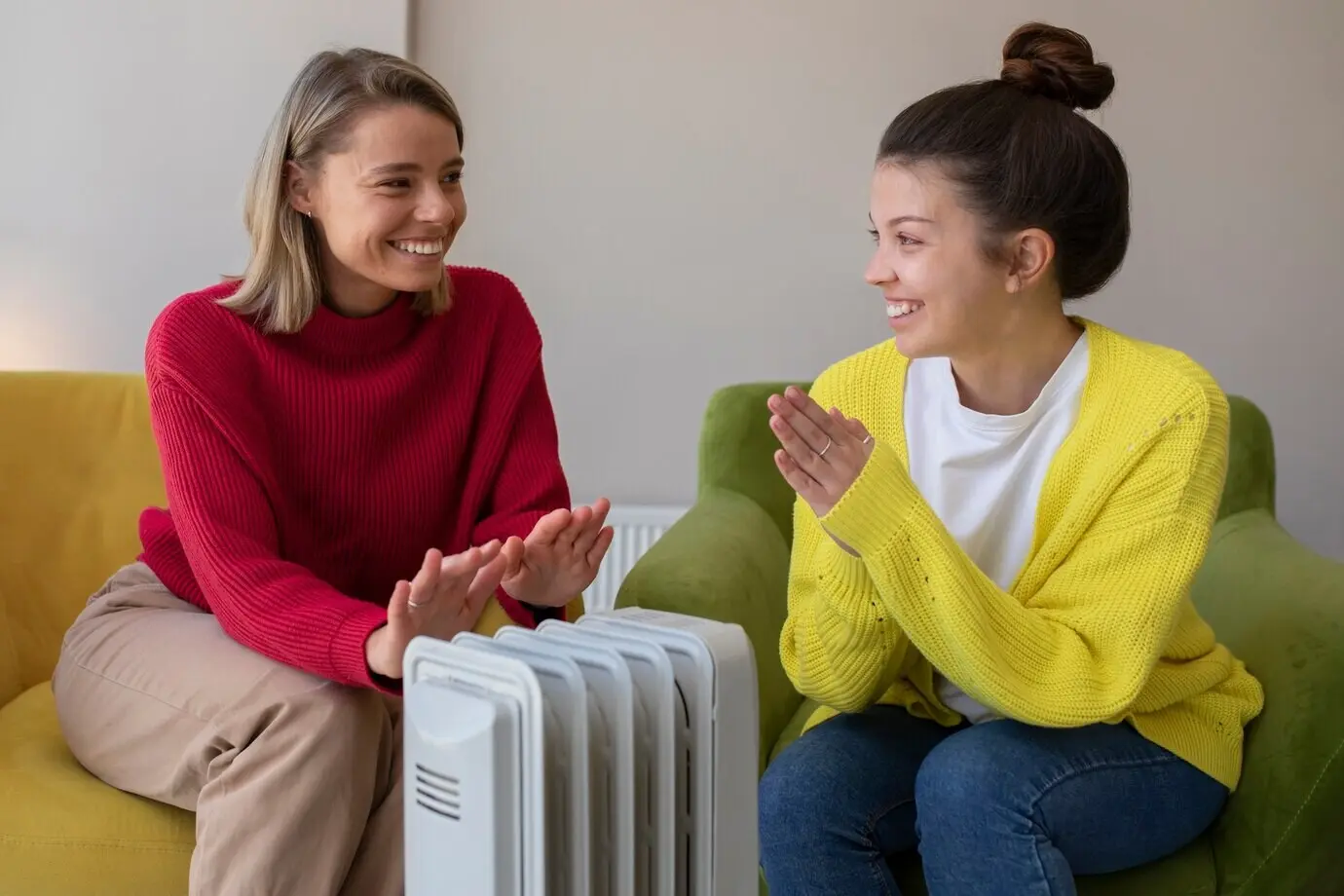
Today we’re diving into energy‑efficient cooling with smart fans, shades, and occupancy sensors, blending airflow, light control, and presence awareness to keep comfort high while electricity use falls. Expect practical routines, science‑backed tips, real stories, and easy wins you can try tonight. Share your questions as you read, because your home’s layout, climate, and schedule truly matter, and together we’ll fine‑tune ideas that fit your spaces, devices, and daily rhythms without sacrificing quiet, convenience, or style.

Airflow That Feels Like Magic

Fans don’t lower temperature; they increase comfort through the wind‑chill effect, often allowing a thermostat bump of around four degrees Fahrenheit without losing that pleasant feeling. Smart controllers vary speed with indoor temperature, schedules, and presence, so bedrooms stay whisper‑quiet while living areas get a lively breeze at the hottest hours. By pairing low‑noise DC motors with gradual speed steps, you avoid drafts yet maintain evaporative relief, saving energy while keeping hair, papers, and plants undisturbed.

Shading the Source, Not the Symptom

Solar heat is best blocked at the glass. Motorized shades with appropriate fabric openness and reflective backing can dramatically reduce radiant load, sparing your rooms from becoming sunlit ovens. Scheduled to track azimuth and elevation, they close just before peak glare hits, then reopen to harvest daylight once temperatures soften. Layered with exterior awnings or interior cellular shades, the effect compounds. You feel calmer air and cooler surfaces, while your cooling equipment cycles less and lasts longer.

Automation Routines That Actually Save

Winning routines anticipate heat rather than chase it. Pre‑cool with quiet airflow before the sun climbs, defend at solar noon with shade, and let evenings purge built‑up warmth if outdoor air cooperates. Weather data, sun position, and occupancy together create simple, robust rules. Avoid complexity that breaks; prioritize graceful fallbacks when Wi‑Fi drops or clouds roll in. Start small, measure, then expand. Your goal is reliable comfort, not gadget theater, and healthy, repeatable savings across seasons.

Choosing Devices That Play Nicely

Great ideas need compatible gear. Look for DC motor fans with fine‑grained speed control, quiet bearings, and stable connectivity. Shades should match solar exposure, fabric openness, and style, while motors remember limits after outages. Presence sensing works best when the technology fits the room: passive infrared for motion, radar for stillness. Favor ecosystems that support local control, energy dashboards, and Matter or Thread for resilience. Compatibility reduces frustration, enabling routines that last and comfort that feels seamless.

Real Homes, Real Results

Numbers make changes feel tangible. Small routines can trim cooling energy and smooth peak demand without expensive remodels. Stories from apartments, family houses, and small offices show how airflow, shading, and presence combine into everyday relief. Savings vary by climate and envelope, but comfort tends to rise quickly. Measure a baseline week, iterate, then compare. Even if the thermostat barely moves, you’ll often find calmer rooms, quieter compressors, and evenings that feel civilized instead of sticky or glaring.

Installation, Calibration, and Care

A little setup wisdom pays for years. Balance fan blades, confirm secure mounts, and check clearances above lights. Program shade limits carefully to avoid motor strain. Place sensors away from vents and windows to reduce false triggers. Test your automations at different times and weather conditions. Keep firmware and hubs updated, but prefer local control when possible. Document routines so family or coworkers understand what’s happening. Good calibration turns clever ideas into dependable comfort that never distracts or surprises.

Fans Without Wobbles or Whines

Start with a sturdy junction box and manufacturer‑rated hardware. Use a balancing kit if blades flutter, and verify clearance from beams or pendant lights to prevent strobing shadows. Map speed steps to meaningful comfort levels rather than arbitrary numbers. If noise emerges, check mounting screws and rubber grommets. Pair commissioning with a simple safety routine: childproof pull chains, confirm reverse mode operation seasonally, and record the controller’s restore‑after‑power‑loss behavior so recovery is predictable after storms or renovations.

Shades That Glide and Align

Set top and bottom limits precisely to protect motors and keep edges parallel. For sun tracking, align schedules with true solar time, adjusting a few minutes monthly to stay ahead of seasonal changes. If fabrics curl, reverse the roll direction or add light side channels to tame drafts. Use group scenes to coordinate wide windows, and slowly ramp transitions to avoid startling changes during meetings or naps. Keep dust off mechanisms; smooth movement preserves both aesthetics and energy performance over years.

Sensors Tuned for Real Life

Walk‑test routes you actually use, not theoretical paths. Reduce sensitivity near windows that flash with passing cars, and add a short exit delay so rooms don’t shut down the second someone grabs a drink. In quiet spaces, radar fills gaps left by passive infrared. Respect privacy by choosing local processing and clear indicator lights. Review logs weekly at first; small tweaks—like longer hold times for reading corners—can dramatically cut annoyance while keeping savings high and interactions pleasantly invisible.

Fine‑Tuning When Things Misbehave

Even great setups need a little detective work. Look for overactive routines that fight each other, sensors watching the wrong areas, or shades that close too aggressively. Start with logs: what turned on, when, and why. Simplify rules until behavior becomes predictable, then layer complexity back carefully. Add guardrails like minimum on‑times and cooldowns. Trust visible cues and your own comfort. When the system gets quiet, smooth, and boring, you’ll know it is truly doing the heavy lifting.

Keep the Conversation Flowing

Comfort gets better together. Share which routines felt surprisingly effective, what your climate threw at you, and where glare or humidity forced a rethink. Ask about fabrics, fan sizes, or sensor quirks, and tell us what dashboard metrics actually guided your tweaks. Subscribe for periodic experiments and deeper guides that turn complex ideas into simple steps. Your feedback shapes upcoming explorations, from apartment‑friendly setups to backyard offices. Say hello below—your observations help everyone breathe easier and spend less.

Ask Anything, Big or Small

Wondering whether a compact DC fan can handle your loft, or if dual‑roller shades are worth it for a corner window? Post your questions and constraints. Share photos or floor plans if you can, and we will brainstorm approachable steps. Whether you rent, own, or manage a shared office, practical, respectful suggestions matter. Start with one window, one fan, one sensor, and let experience guide the rest. Curiosity today becomes comfort tomorrow, with lower bills quietly following.

Show Your Routines to Inspire Others

Screenshots, schedules, and short stories go a long way. Tell us how you mapped sun angles to shade positions, or which presence settings finally stopped false triggers. Share your favorite graphs that reveal calmer cycles and quieter evenings. If something failed hilariously, include that too—lessons stick when we laugh together. Your creativity might unlock another reader’s breakthrough, turning guesswork into confidence. Collaborative tuning sparks better sleep, happier work sessions, and a summer that feels thoughtfully managed rather than endured.

Subscribe for Deep Dives and Tools

Join for periodic walkthroughs, device comparisons, and templates you can adapt without starting from scratch. We highlight routines that survive real households, examine privacy‑first sensing, and publish step‑by‑step checklists for audits you can finish in a weekend. Expect practical calculators, sun path planners, and troubleshooting maps. No spam, only tested insights and friendly nudges. Together we will build a library that turns smart cooling from novelty into normal, reliable comfort that respects your wallet and your time.
Patehazixifinavi
Privacy Overview

This website uses cookies so that we can provide you with the best user experience possible. Cookie information is stored in your browser and performs functions such as recognising you when you return to our website and helping our team to understand which sections of the website you find most interesting and useful.