
Smarter Warmth, Smaller Bills
Today we explore cutting heating costs with smart thermostats and room zoning, transforming blanket heating into targeted comfort that follows your routine. Discover how adaptive schedules, occupancy sensing, and thoughtfully separated zones prevent waste, preserve comfort, and steadily shrink bills without sacrificing warmth. Subscribe for checklists, try the quick-start steps, and share your first-week results so others can learn from your real-world wins.

Understanding Where Heat and Money Go
Before any shiny upgrade, knowing how heat drifts through your rooms reveals why bills swell. Many homes overheat unoccupied spaces, deliver uneven air, and chase comfort with constant thermostat nudges. Smart thermostats and sensible zoning expose patterns, highlight waste, and help you prioritize fixes that bring lasting comfort, faster paybacks, and quieter evenings without frantic adjustments or bulky sweaters indoors.

Tailoring Comfort to Real Life
Great results come from aligning heat with activity, not the other way around. Adaptive schedules, occupancy sensors, and responsive zones elevate comfort where people actually spend time. Rather than smoothing every room to identical setpoints, direct warmth toward living areas during peak hours and ease back elsewhere. The result is quieter operation, steadier temperatures, and bills that finally trend downward.

Technology That Learns Your Routine
Smart thermostats combine learning algorithms, remote sensors, and geofencing to anticipate comfort needs without constant attention. By observing arrival patterns, preferred setpoints, and runtime efficiency, they refine schedules that minimize waste. Studies often report heating savings around ten to twelve percent, with thoughtful zoning adding more. Together, these tools produce quiet, consistent comfort backed by clear, data-driven results.


Designing Zones That Make Sense
Effective zoning organizes rooms by use, sun exposure, and construction realities. Start with how your equipment and ductwork behave, then group spaces that reliably heat together. Small, thoughtful reconfigurations often outperform elaborate plans. The goal is simple: prioritize comfort where it matters, restrain costs elsewhere, and let the smart thermostat orchestrate timing so every room feels purposefully balanced.
Start with Airflow Reality
Duct routes, register placement, and blower strength limit what is practical. Group nearby rooms that share duct branches and similar sun exposure. Overreaching zones frustrate users with weak airflow and uneven results. Keep control simple, verify pressure stays within safe limits, and remember that a tidy, realistic plan almost always beats an ambitious design that fights physics daily.
Hydronic Nuances
Radiator and baseboard systems respond differently than forced air. Zoning hydronic loops can be elegantly efficient, but valve placement and pump sizing matter. Work with a technician to ensure balanced flow and correct purge procedures. The reward is gentle, even warmth, precise scheduling, and fewer temperature swings, all while curbing fuel use without compromising that beloved radiant comfort.
Control Without Chaos
Too many independent controls create confusion and accidental overrides. Aim for a central brain—your smart thermostat or compatible hub—that coordinates dampers, valves, and schedules. Keep naming simple, map sensors clearly, and test handoff behaviors. When controls reinforce each other, you get predictable warmth, lower bills, and a system family members can operate confidently without a manual.
Installation, Calibration, and First Week Wins
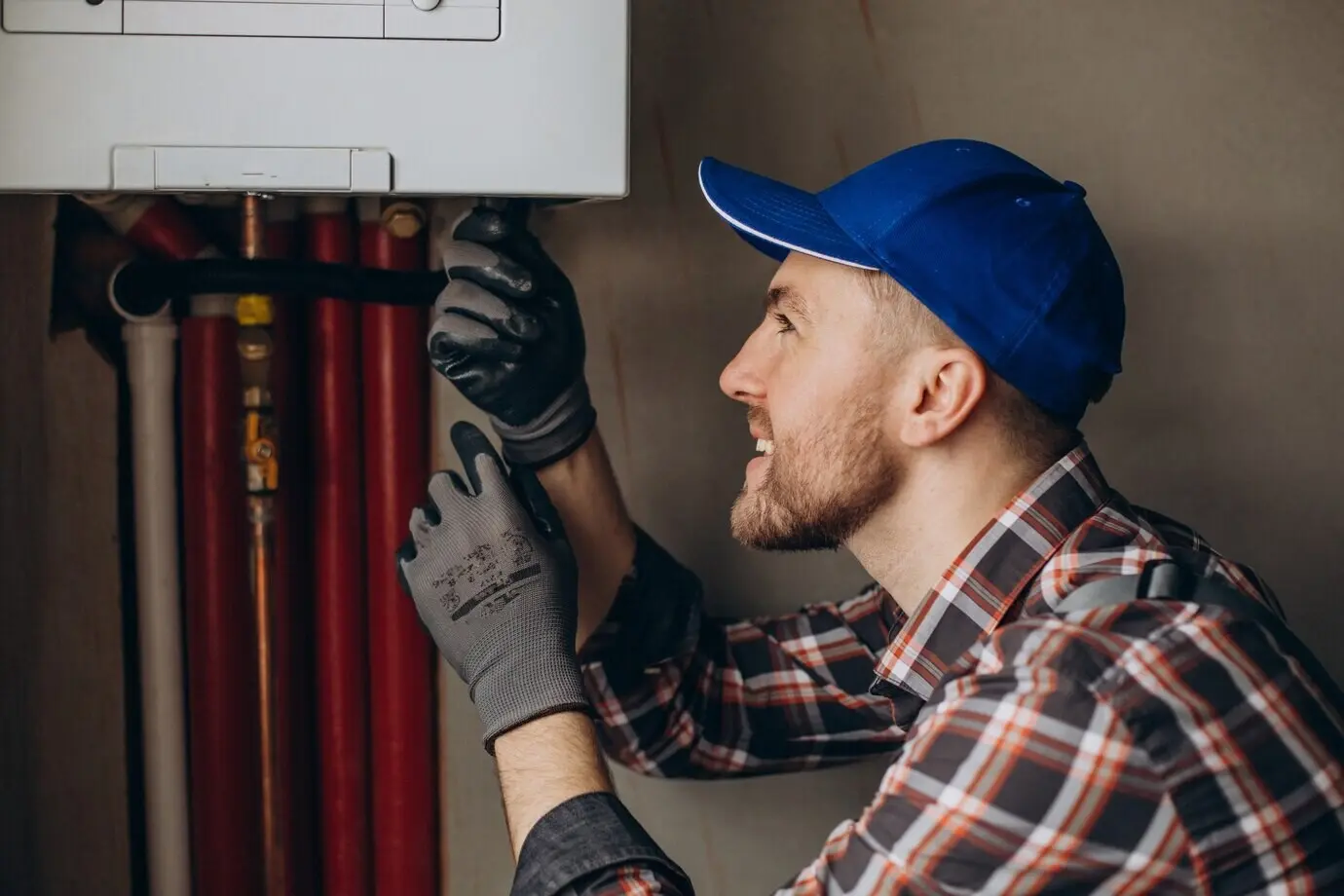
A careful setup pays off for years. Label wires, photograph old connections, and confirm compatibility before touching breakers. After installation, calibrate sensors, verify airflow, and walk through safety checks. Then run small experiments: gentle setbacks, timed boosts, and targeted zone priorities. Within days, you’ll see steadier temperatures, calmer equipment cycles, and a bill trajectory that finally makes sense.
Wiring with Confidence
Cut power, label every conductor, and compare your photos to the new baseplate. Use manufacturer compatibility tools to avoid miswiring heat pumps or multi-stage equipment. If anything looks uncertain, pause and consult support. A clean install protects components, prevents nuisance lockouts, and sets the stage for the intelligent features that create comfort without bleeding energy unnecessarily.
Dialing in Setbacks
Aggressive setbacks can backfire if equipment must race to recover. Start with two or three degrees, then monitor how long warm-up takes. Your thermostat’s reports reveal whether adjustments save fuel or trigger wasteful overshoots. Combine gentle setbacks with zoning priorities to concentrate warmth where people are, letting seldom-used rooms quietly rest without compromising anyone’s daily routine.
Measuring Early Savings
Compare runtime hours, daily energy summaries, and utility portal data against your baseline. Note outdoor temperatures to keep comparisons fair. Early wins might seem modest, but consistency compounds across the season. Celebrate milestones, adjust schedules thoughtfully, and invite household feedback. The shared sense of progress makes fine-tuning enjoyable and keeps motivation high when the weather turns stubbornly cold.
Pro Tips, Pitfalls, and Real-World Savings
Success depends on details: sensor placement, balanced zones, moderate setbacks, and clear control logic. Avoid short cycling by keeping zone sizes reasonable and airflow within specifications. Use reports to catch unexpected behavior early. The most satisfying upgrades feel almost invisible—quieter rooms, predictable comfort, and bills that finally reflect the care you’ve invested in smart, patient improvements.
All Rights Reserved.